State cards for real hive decisions

Turn every open hive into a shared state, a clear action and a better next visit.

Beehive state cards are a field language for commercial beekeeping teams. They help crews separate queenright, supersedure, swarm prep, emergency queen loss, failing queen, drone layer and division states while the evidence is still visible. BuzzTech uses that same language inside ApiaryOS so training, field notes, follow-up work and manager reporting all point at the same truth.

Healthy / Queenright Transitional / Risky Danger / Failing Swarming / Division
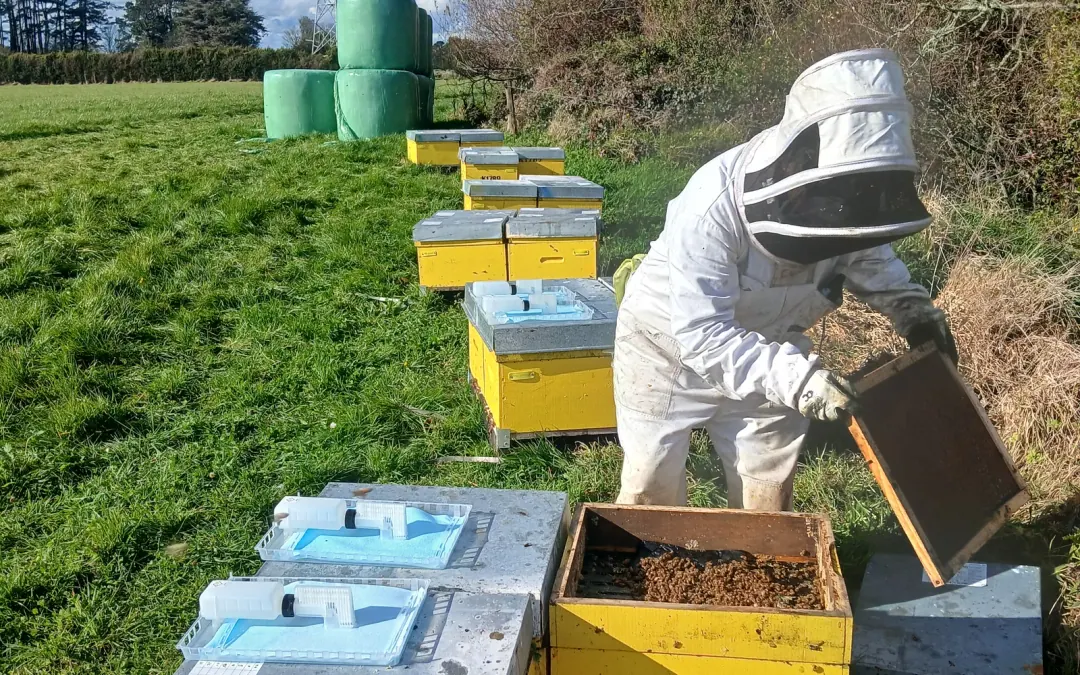
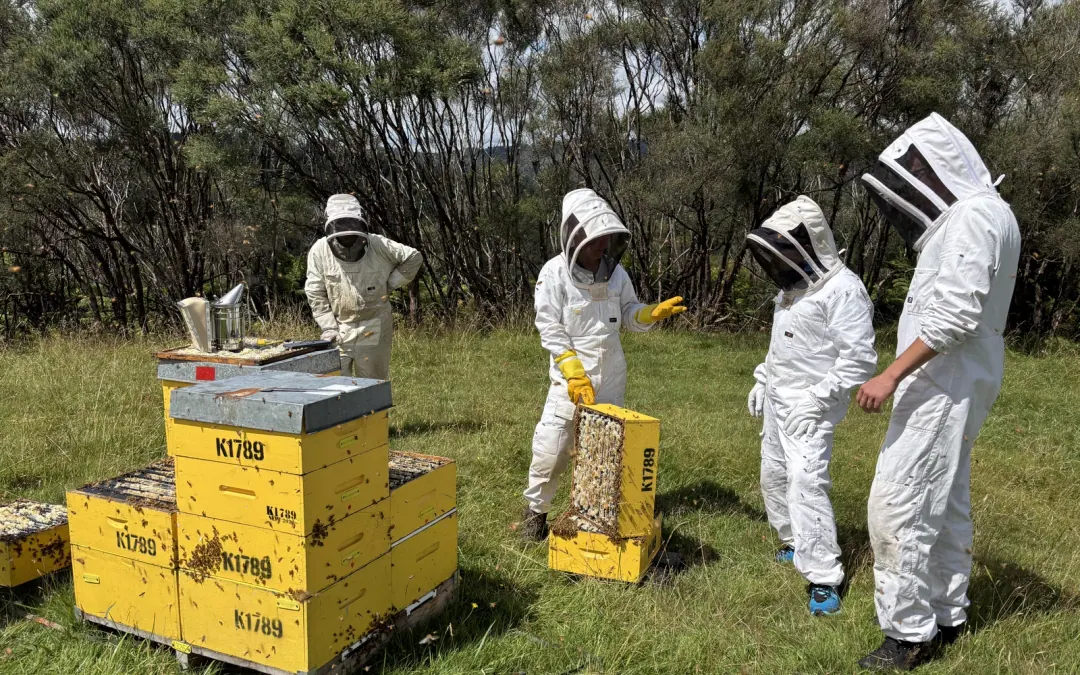
Beekeeping team inspecting yellow hive boxes in the field
The card sits beside the judgementThe same evidence can become training, action and manager-ready data.

The 16-state language

A state card is not a label. It is a decision contract.

The colony state says what was seen, why it matters, what should happen now, and when the result should be checked. That is the difference between recording that someone lifted a lid and recording that a beekeeper understood the colony.

States 1-4

Healthy / Queenright

Queen present or a queenright colony managing normal, swarm, supersedure or recent emergency-cell patterns.

  • Normal brood and steady build.
  • Swarm cells with crowding and backfilling.
  • Supersedure cells with a calm colony.
  • Emergency cells after recent queen loss.
States 5-9

Transitional / Risky

The colony may be between queens. The right move is often patience, protection and a timed recheck.

  • Virgin queen present, no eggs yet.
  • Multiple virgins or one virgin queen.
  • Only capped cells before emergence.
  • Only open or hatched cells after emergence.
States 10-13

Danger / Failing

These states expose colonies that will drift into non-productive equipment unless the team acts decisively.

  • Queenless with no useful cells.
  • Fresh eggs but queen not confirmed.
  • Drone layer or laying workers.
  • Old or failing queen with patchy brood.
States 14-16

Swarming / Division

Swarm and split states separate production loss, deliberate increase and brood-break timing.

  • Post-swarm with virgins emerging.
  • Artificial split with queen cells.
  • Artificial split with virgin or mated queen.

Card anatomy

Each card forces the useful questions into the same order.

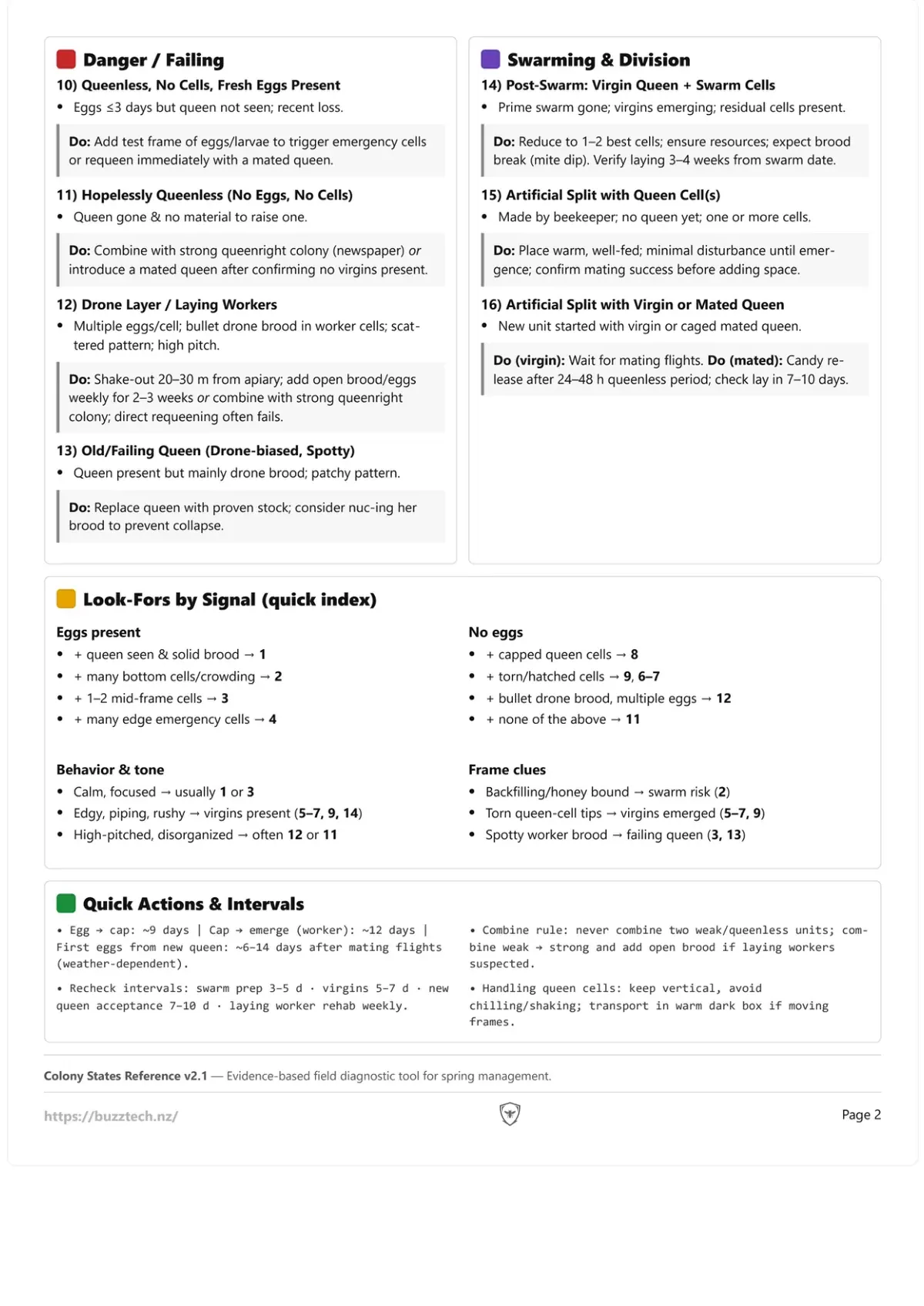
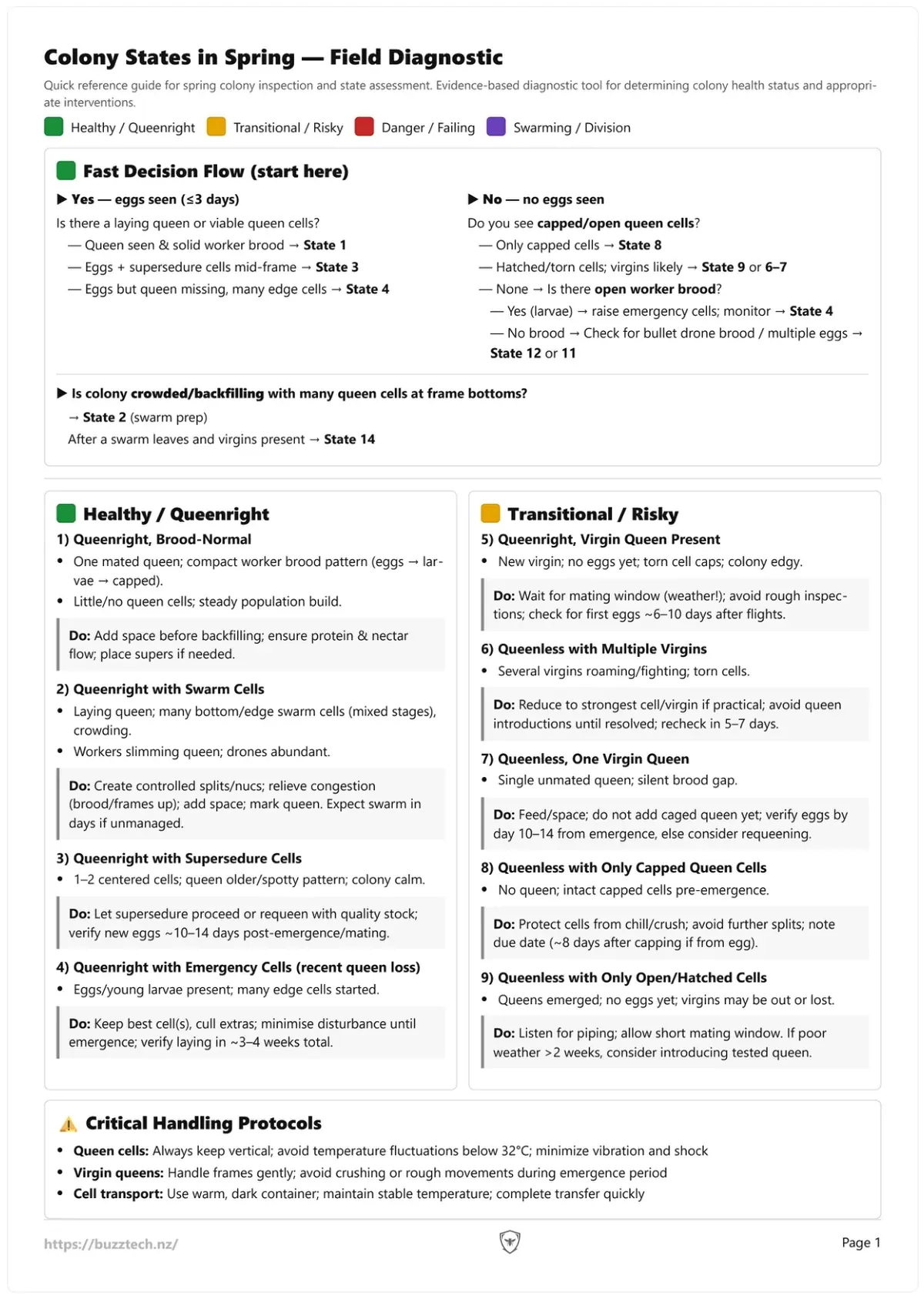
The diagnostic sheet starts with fast signals: eggs or no eggs, queen cells capped or open, queen cell position, colony tone, brood pattern, crowding, backfilling and timing. The card turns that evidence into a state number and a field-safe action.

Colony States in Spring field diagnostic page showing healthy and transitional states

Two-page field diagnosticThe sheet keeps fast evidence, state number and recommended action visible at the point of decision.

Colony States in Spring field diagnostic page showing danger, failing, swarming and division states
01 Evidence

What did the beekeeper actually see: eggs, larvae, capped brood, cell position, queen, virgins, tone, crowding or scattered brood?

02 State

Which colony state explains those signs without collapsing different problems into one vague note?

03 Action

Do we add space, split, protect cells, requeen, combine, feed, wait, or set a strict recheck window?

Supersedure, swarm, emergency

The language matters most when the wrong action looks tempting.

New beekeepers often learn queen cells as one thing. The state-card language teaches the difference between a colony quietly replacing a queen, a colony about to swarm, and a colony trying to recover from queen loss. Those are not the same job.

State 3: Supersedure

A calm queenright colony with one or two centered cells, often with an older or patchy queen. The colony is usually trying to replace the queen, not divide.

  • Protect the best cell or requeen with quality stock.
  • Do not tear down the evidence just because a cell exists.
  • Verify new eggs after emergence and mating.

State 2 or 14: Swarm pressure

Crowding, backfilling, many bottom or edge cells, drones and a slimmed laying queen point to swarm preparation. After a swarm, virgins and residual cells create a different follow-up state.

  • Relieve congestion with space, splits or nucs.
  • Reduce excess cells after a swarm and expect a brood break.
  • Check laying 3-4 weeks from the swarm date.

State 4 or 10: Queen loss

Eggs or young larvae with many emergency cells, or fresh eggs with no queen confirmed, means the colony may be trying to recover from a recent queen loss.

  • Keep the best cells and minimise disturbance.
  • Add test brood or requeen quickly if no useful cells exist.
  • Set a recheck instead of leaving it to memory.
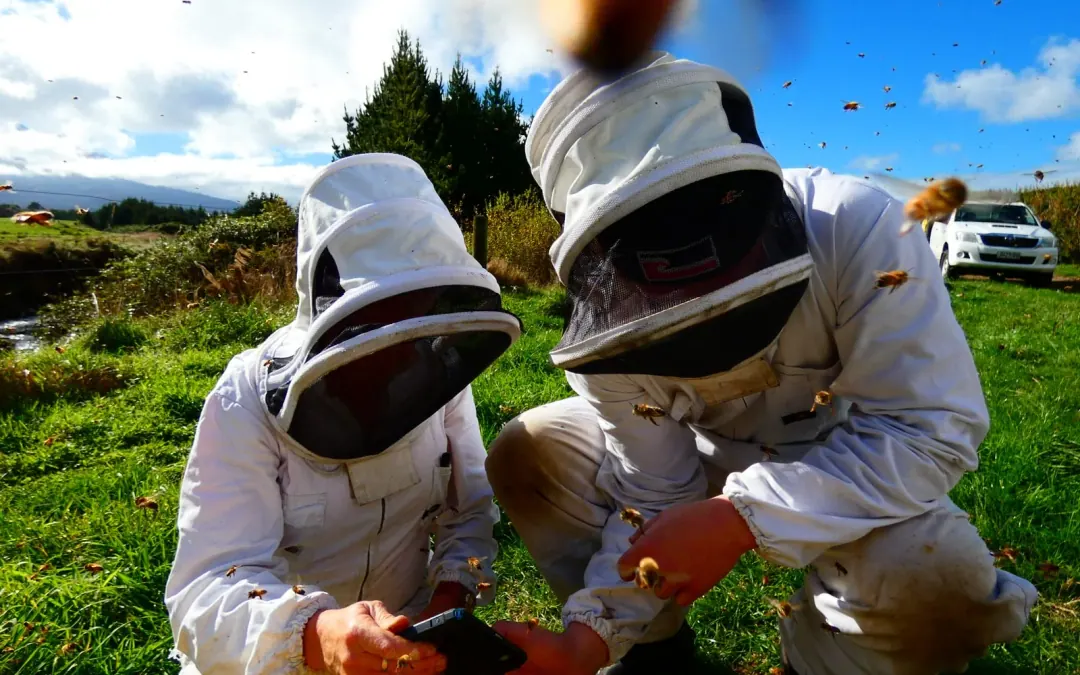
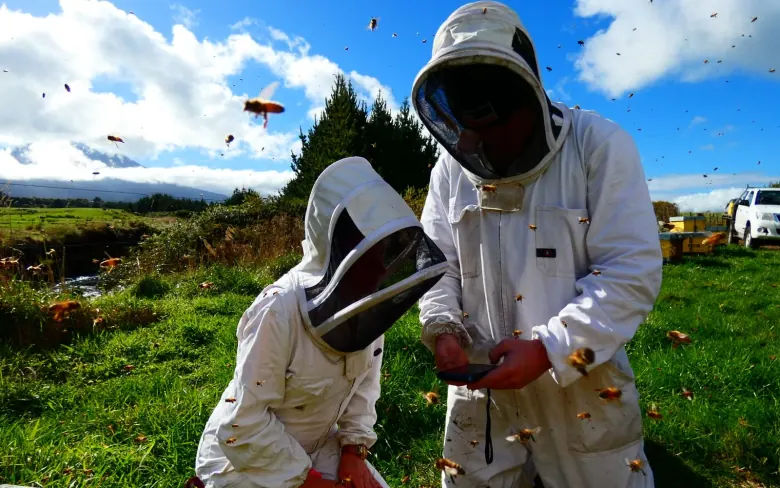
Two beekeepers using a phone in the apiary while bees fly around them
Retrain around the same wordsCrews learn fastest when the card, the app and the manager review use one language.
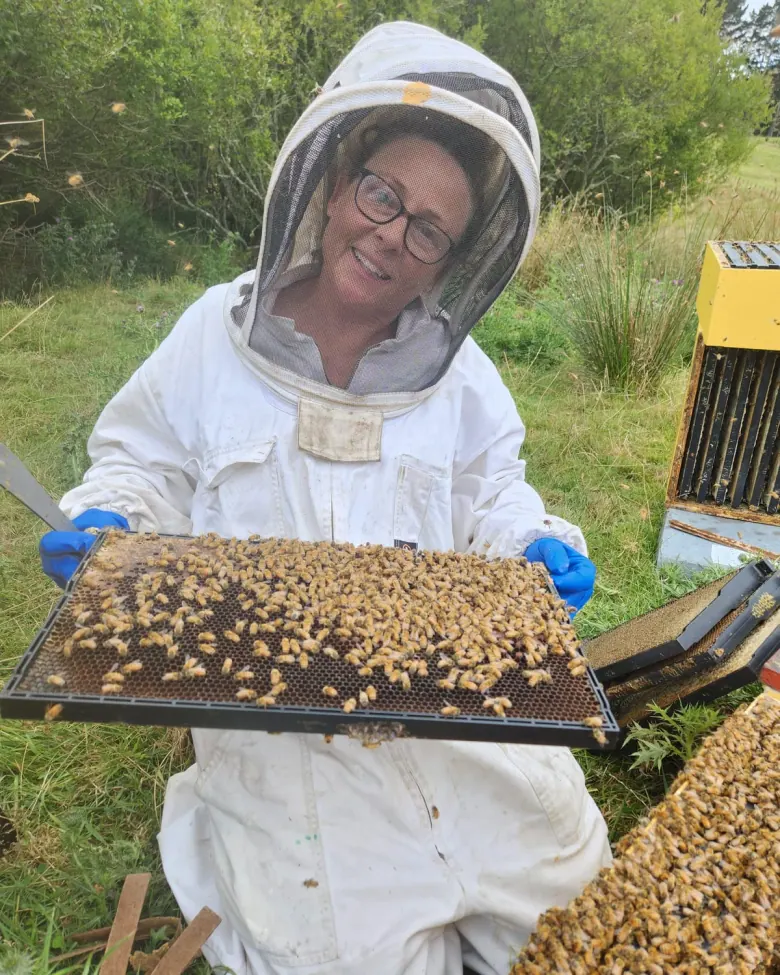
Beekeeper holding a frame covered with bees during an inspection
Evidence before opinionBrood pattern, eggs and cell position come before the state name.
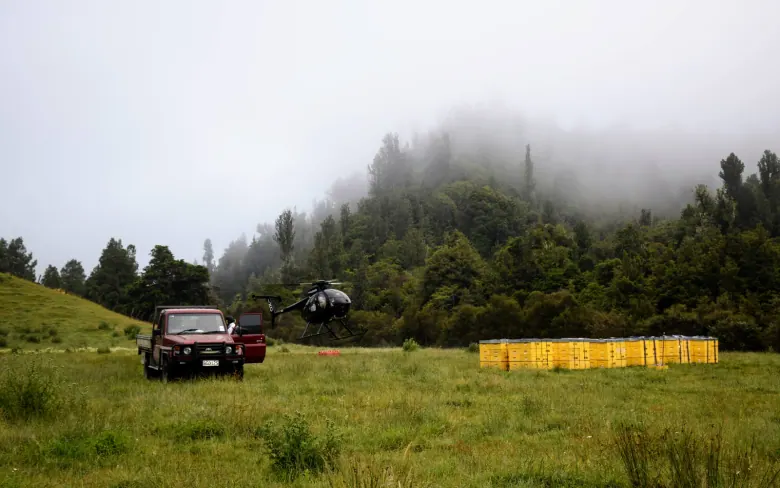
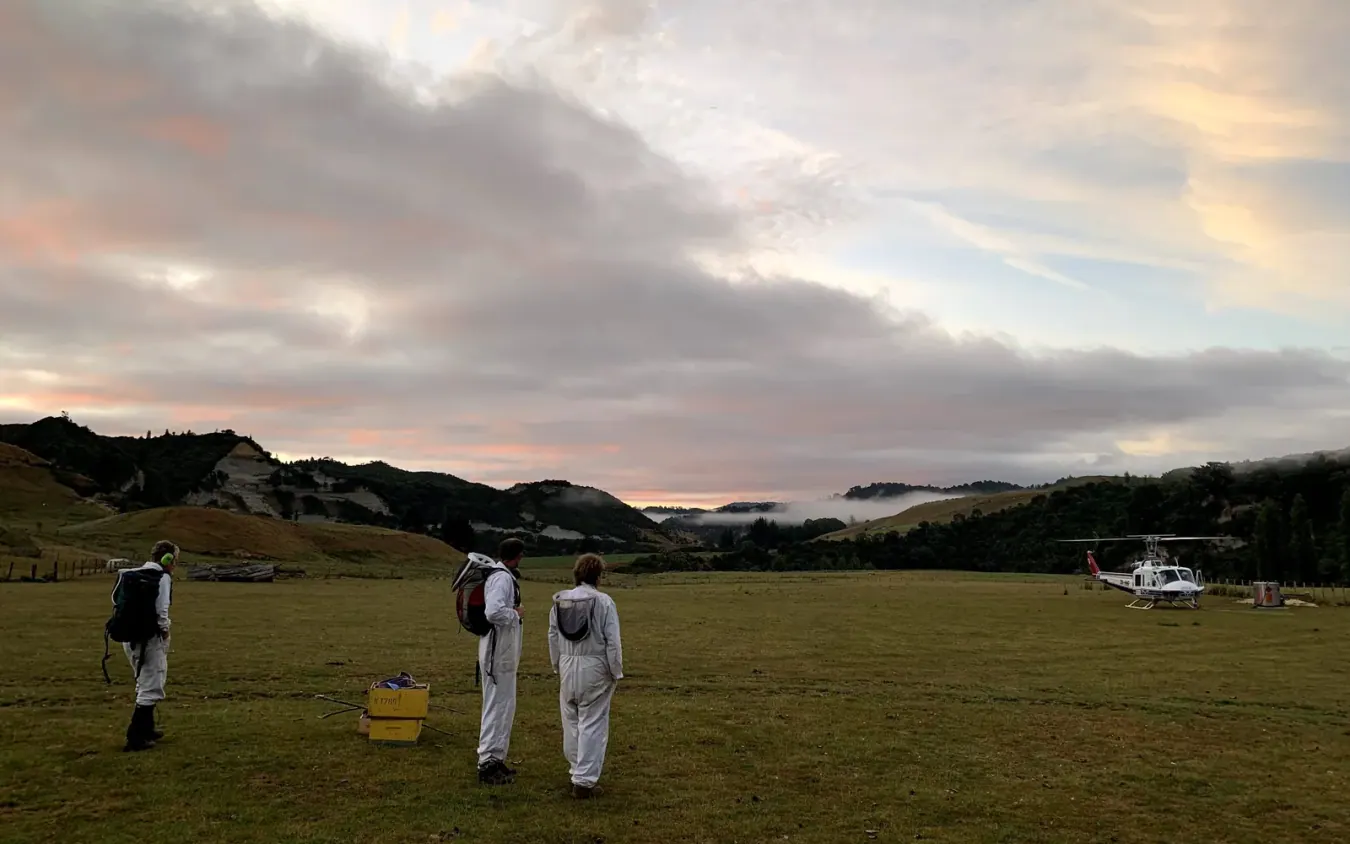
Remote apiary with yellow hive boxes, vehicle and helicopter in misty hills
Useful at distanceWhen yards are spread out, state accuracy protects the next visit.

Seasonal judgement

The same state can demand a different move at a different time of year.

State-based beekeeping does not replace beekeeper judgement. It gives judgement a structure. A split, a protected cell, a combine, a feed, a requeen or a wait-and-check decision only makes sense inside the season, the weather, the flow, queen availability and the business objective.

Spring build

Queenright and swarm-prep states decide whether a hive needs space, protein, a split, a cell protected, or a quick recheck before the window closes.

Production flow

Swarm states become production risk. The card language helps teams protect field force instead of finding empty boxes after the main chance has passed.

Autumn review

Failing queen, weak, queenless and drone-layer states should trigger hard decisions: requeen, combine, feed, treat or remove from production expectation.

Wintering

Better state data reduces mystery losses by exposing colonies that were non-productive, queen-risk or under-resourced before cold weather made action expensive.

From training to operation

How teams adopt state cards without turning field work into paperwork.

The cards work because they are practical. They sit in the ute, on the shed wall, beside a phone workflow, or in a team training session. The point is not to memorise 16 labels. The point is to make the same field signs lead to the same kind of action across the team.

Team habitThe target is not more paperwork. It is a shared way to see, name, act and review while the hive evidence is still fresh.

01 Calibrate

Look at examples together

Review real frame photos and ask: eggs, queen cells, position, tone, brood pattern, season, and what state best explains it?

02 Record

Use the state in the app

ApiaryOS turns the chosen state into action, reason, follow-up and history, so the next beekeeper sees more than a loose note.

03 Review

Compare outcomes

Did the hive improve, stall, swarm, recover, stay queenless, or become a winter loss? The state transition teaches the crew.

04 Refine

Coach the language

Managers can retrain around repeat confusion: supersedure versus swarm, emergency cells versus planned splits, risky virgins versus failed queens.

Beekeeper inspecting an open hive box in a field yard
Lid lifting becomes beekeepingThe useful record is the condition, reason, action and next check.

The field rhythm

Evidence first. Then state, action and recheck.

State cards work when they change the conversation at the hive. The team stops recording loose observations and starts making the same disciplined call from the same evidence.

  • Name the visible signs before naming the state.
  • Choose the action that fits the state and season.
  • Set the next check while the hive is still open.

Why BuzzTech scales it

At scale, state data brings cohesion and accuracy to the whole operation.

A card pack helps one beekeeper. A state system collected through BuzzTech helps the whole business. When every hive visit captures the same state vocabulary, managers can see patterns across crews, yards, queen lines, treatments, seasons and weather windows.

Operational memoryWhen every state is captured consistently, the business can compare what crews saw, what they did, and what happened next.

Phone used beside yellow hive boxes in the apiary
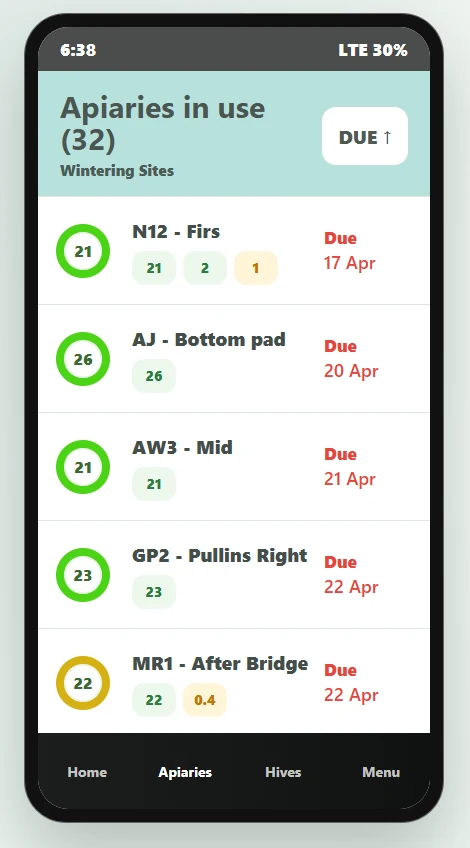
The field language becomes operating dataOne state vocabulary can connect crews, managers, yards and seasons.

From single hive to whole operation

Every inspection becomes a comparable state transition.

BuzzTech can hold the observed state, the action taken, the timing and the outcome together. That changes records from scattered notes into a shared operating layer for coaching crews, planning follow-up and protecting colonies before winter.

Same vocabulary Season context Outcome history
01 Distribution

See the operation

Managers can see how many hives are productive, queen-risk, transitional, failing, under swarm pressure or ready for division work.

02 Transitions

Measure the result

The useful question becomes: what changed after the action? Which hives improved, stalled, returned to the same state or moved toward failure?

03 Consistency

Align the team

State patterns show whether different crews are seeing the same colony in the same way, especially around supersedure, swarm and emergency queen states.

04 Winter loss

Find preventable failures

Autumn queen-risk, failing queen, drone-layer and weak colony states can be surfaced early, acted on and reviewed before they become dead-outs.

Two beekeepers inspecting together in an active apiary
Train in pairsThe best calibration happens while the decision is alive.
Beekeeping team and helicopter in a remote field before apiary work
Language that travelsRemote work needs records that are clear when the crew has moved on.
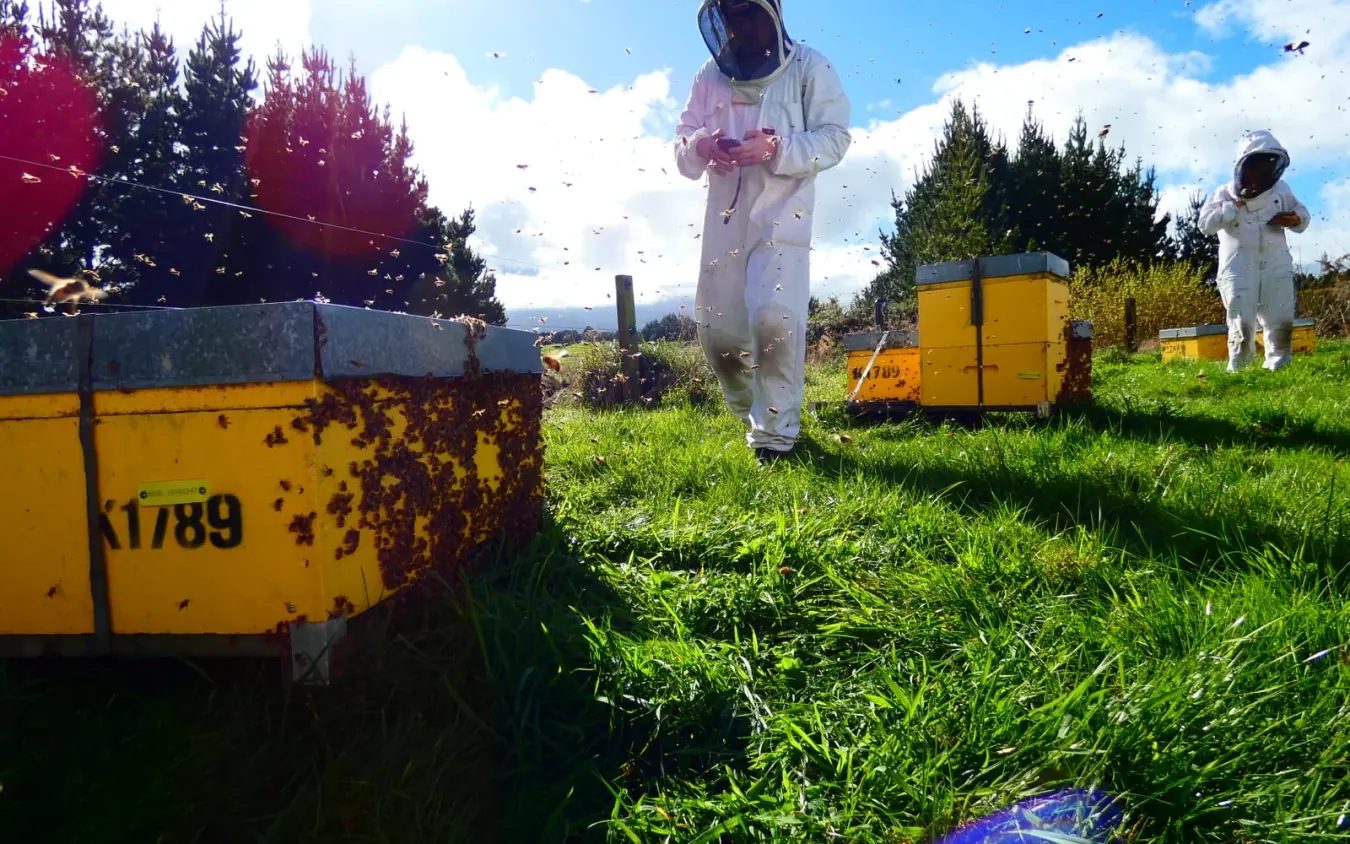
Beekeepers walking through a sunny apiary with bees flying near hive boxes
Follow-up survives the roundState, action and timing carry through to the next visit.

Get the cards

Request the state-card PDF or ask for printed cards for your team.

Use the PDF to start training around the language. Request printed cards if you want a field pack for crew calibration, shed training, ute folders or app rollout.

Email me the state-card PDF

We will email a download link for the current Colony States reference.

We use your details to respond to this request. We do not sell operator data.

Request printed state cards

Tell us how many card packs you need and what sort of crew training or delivery context you have.

We will reply to organise quantity, timing and delivery. No payment is taken on this page.